
Tune details
Music: Django Reinhardt
Documented in archive: Not established
Original key: Not established
Study level: Intermediate; melody, pulse and arrangement awareness
 Djangopedia
A serenade for balancing melody, bass and quiet inner voices.
Play four melody bars alone, then add one bass note at each verified change.

Owner content reviewed — 2026-10-19T04:10:14Z by admin. Coverage measures presence, not accuracy. Content review does not certify rights or musical perfection.
Django recordings for this tune. Uploader dates and take labels remain source claims; only an evidenced exact association enables a row’s Listen control.
Django Reinhardt
source-described; accuracy not independently verified
Uploader identifies this as Django Reinhardt’s performance; recording date and take require comparison with the discography.
| Entry | Year | Recording / session / release evidence | Listen |
|---|---|---|---|
| 01 | — | My Serenade,OLA 1998-1,"Fremeaux 306, Affinity AFS 1003, Classics 762, Jazz Time 251270-2, Blue Note CDP 7243837138-2, Mosaic MD6-190(6 CD Set).","Same Date - Stephane Grappelly (v), Django & Joseph Reinhardt, Eugene Vees (g), Louis Vola (b)" | — |
A dash means no video has been associated with this exact historical recording. Tune-level listening resources remain available above.
The publisher’s session listing includes My Serenade among the prewar recordings. The inherited structured year is unresolved, so recording chronology is not silently repaired here.
Music: Django Reinhardt
Documented in archive: Not established
Original key: Not established
Study level: Intermediate; melody, pulse and arrangement awareness
A serenade for balancing melody, bass and quiet inner voices.
My Serenade,OLA 1998-1,"Fremeaux 306, Affinity AFS 1003, Classics 762, Jazz Time 251270-2, Blue Note CDP 7243837138-2, Mosaic MD6-190(6 CD Set).","Same Date - Stephane Grappelly (v), Django & Joseph Reinhardt, Eugene Vees (g), Louis Vola (b)"
Use the melody to locate the cadence of each phrase. In an unaccompanied arrangement, distinguish bass support from a separate moving inner voice before copying a large chord grip. Check the video key before playing with the chart.
Use the melody to locate the cadence of each phrase. In an unaccompanied arrangement, distinguish bass support from a separate moving inner voice before copying a large chord grip.
No complete verified chart is supplied. The exercises are listening and practice suggestions, not a substitute score.
No readable chord chart has been added for this title.
Guitare Improvisation
5m46s · Video available when checked; creator-described attribution.
Creator-provided play-along; instrumentation and feel vary by selection. Check the key and full arrangement before joining in; the guide chart may use another key.
If playback is unavailable, use the source link.
 My Serenade - Gypsy jazz Backing track / Jazz manoucheGuitare Improvisation5m46s · Video available when checked; creator-described attribution.Creator-provided play-along; instrumentation and feel vary by selection. Check the key and full arrangement before joining in; the guide chart may use another key.✓ Featured
 MY SERENADE (94BPM) THE STEPHANE WREMBEL BAND - PLAY ALONG SERIESStephane WrembelSwing · 94 BPM · 2m50s · Video available when checked; creator-described attribution.Creator-provided play-along; instrumentation and feel vary by selection. Check the key and full arrangement before joining in; the guide chart may use another key. Tempo is the creator’s stated value.Select video
Performed studies, transcriptions, TAB, notation and lessons for studying Django’s solo. Inclusion does not certify note-for-note accuracy.
No Django solo study aid yet. Know a useful resource — or want to record a study of this solo?
Follow a shared key, a harmonic idea or a familiar form. Keys refer to this site’s chart editions; other recordings may use a different key.
No sufficiently supported harmonic comparison has been added yet.
No match is established in the current chart metadata.
No match is established in the current chart metadata.
Owner-selected illustration. An adult guitarist serenades not a balcony but a slightly bemused cat on a high windowsill; a single winding phrase curls around the window. Witty intimate nocturnal musical devotion, generous negative space.
Original AI-assisted editorial artwork inspired by the tune; not a documented historical scene.
Original AI-assisted illustration created for Djangopedia
Illustration credits & provenance →Selected performances by notable Gypsy Jazz players and ensembles. Inclusion is editorial and does not imply an objective popularity ranking.
Jimmy Grant
Video available when checked; creator-described attribution.
Performer attribution follows the video title and channel description. Proposed listening selection; no popularity ranking implied.
If playback is unavailable, use the source link.
 Tcha Limberger & Jimmy Grant- My Serenade(Django Reinhardt)Jimmy GrantVideo available when checked; creator-described attribution.Performer attribution follows the video title and channel description. Proposed listening selection; no popularity ranking implied.✓ Featured
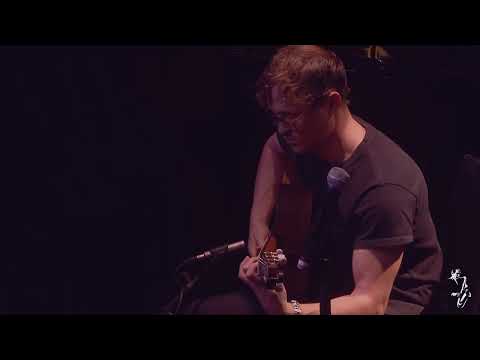 My Serenade - London Django Collective Live at Ronnie ScottsLondon Django CollectiveVideo available when checked; creator-described attribution.Performer attribution follows the video title and channel description. Proposed listening selection; no popularity ranking implied.Select video
 "My Serenade" IMAGINE DJANGOLabel OuestVideo available when checked; creator-described attribution.Performer attribution follows the video title and channel description. Proposed listening selection; no popularity ranking implied.Select video
Play four melody bars alone, then add one bass note at each verified change. Keep the upper voice at the same volume and length on both passes.
In a duo, use sparse shells and leave the bass register clear for the other player. In solo guitar, avoid breaking the melody to reach every optional inner note.
Creator’s solo-guitar harmonization. Not a certified Django transcription.
65–105 bpm
Play four melody bars alone, then add one bass note at each verified change. Keep the upper voice at the same volume and length on both passes.
Count quarter notes first. Then place the click on beats 2 and 4 at half the click rate, keeping the phrase length unchanged.
Confirm the chosen arrangement key; Confirm the complete form. Agree the arrangement, pickup and ending before counting in.
A chord-melody harmonization is an arrangement study, not automatically a recreation of Django’s recorded solo.
Keep the melody uppermost and begin with a single bass note under each harmony. In a duo, use sparse shells and leave the bass register clear for the other player. In solo guitar, avoid breaking the melody to reach every optional inner note.
In a duo, use sparse shells and leave the bass register clear for the other player. In solo guitar, avoid breaking the melody to reach every optional inner note.
No vocal arrangement is prescribed; use the instrumental melody as the phrasing reference.
This player guide combines inherited recording evidence and editorial study notes. Musical study notes are editorial suggestions; compare them with the recording.
Djangopedia full discography ↗
Reissue publisher discography and credits ↗
Inherited chart and recording evidence
Original AI-assisted illustration created for Djangopedia
Original AI-assisted editorial artwork inspired by the tune; not a documented historical scene.
Generated with the native image-generation tool on 2026-10-26; original editorial artwork, not a historical photograph.
Prompt: Use case: stylized-concept. Create one finished original landscape 1536x1024 (3:2) raster illustration for Djangopedia, tune My Serenade. Tune context for interpretation only: The publisher’s session listing includes My Serenade among the prewar recordings. The inherited structured year is unresolved, so recording chronology is not silently repaired here. Scene: An adult guitarist serenades not a balcony but a slightly bemused cat on a high windowsill; a single winding phrase curls around the window. Witty intimate nocturnal musical devotion, generous negative space. Art direction: Refined 1940s jazz-poster serigraph: bold silhouettes, unexpected scale and visual wit, architectural geometry, abundant unprinted paper. Palette: vermilion, mustard, deep petrol teal and warm ivory. Subtle dry ink and paper texture, controlled print misregistration. Make it an artwork with a memorable singular idea, readable as a thumbnail and rewarding at full size; vary viewpoint and composition. Constraints: entirely original composition, not a copy of an artist's print. No title, words, notation, logos or watermark. No photorealism, glossy 3D, gradients, airbrushed romantic haze, generic sunset or decorative hearts. If Django appears, swept-back dark hair, pencil moustache and a distinct mature individual face; period clothes, no ethnic stereotypes. Respect plausible instruments and hands, keep key subjects within frame. Use strong flat ink shapes rather than photorealistic rendering.